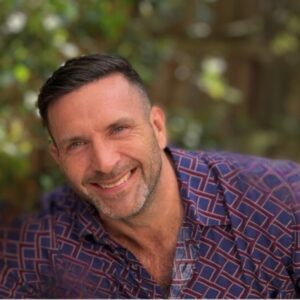
April Gargiulo

Wellness Tip:
 

Swap “Overindulgence Regret” for Permission

Holiday treats can come with a strange side effect: we enjoy them in the moment, then immediately feel guilty. That guilt can do more harm than the food itself.

Research shows that when we eat with stress or shame, the body actually digests less efficiently and we’re more likely to binge again later. In other words, guilt doesn’t make us “behave,” it just keeps us stuck in a cycle of overeating and regretting it!

Permission is a healthier approach. Studies on intuitive eating show that when people give themselves full permission to eat what they want, they tend to stop when they’re satisfied (instead of eating out of stress or that “I’ve already ruined the day” thinking).

And if you want a balance in the moment, add a bit of mindfulness. Slow down, taste the flavors, heighten your awareness. You can find out more about mindful eating here. And if food feels stressful or overwhelming, it may help to speak with a qualified health professional for support.

Routine Breakdown
 

April Gargiulo, Founder of Vintner’s Daughter

A Skincare Founder’s Achievable Morning Routine

April Gargiulo

Founder of luxury skincare line Vintner’s Daughter, April Gargiulo, says she’s not a morning person. “But luckily my sweet husband gently wakes me up.” After getting up at 7am, she:

The Routine:

  • Splashes her face with water.
  • Meditates for 5–10 minutes to set the tone for the day. “I’ve been meditating for over 20 years. Even just five or 10 minutes of meditating centers me and grounds me for the day.”
  • Drinks oolong tea and eats a simple breakfast. “I never skip breakfast; usually I have toasted bread with Miyoko’s butter.”
  • Gets the kids ready and out the door.
  • Moves her body. She usually does a swim/cold plunge in the San Francisco Bay or a X Core Pilates class.
  • Showers and does her skincare routine, then applies SPF and minimal makeup.
  • Gets dressed and starts her workday. “I have the most incredible team ever. We all approach each day with what we call ‘joyful rigor.’ Everyone here is just as passionate as I am—and that energy shows up in everything we do.”

Why it works:

  • Meditation for the mind, food and movement for the body, hands-on time with kids for connection, and space for self-care: April’s routine is achievable yet balanced.  


“I read this amazing quote that says ‘momentum builds motivation.’ The momentum for me is to just do it, even when you absolutely don’t want to,” says April of her meditation habit. It’s a great reminder that it’s not about doing everything at once; it’s about building small habits through consistency.

Michael Easter

Productivity Tip:
 

Buy Gear, Not Stuff

“We live in a world where it’s easy to accumulate stuff,” says Michael Easter, whose routine is featured below. He suggests an alternative: frame your purchases in terms of gear, not stuff. ‘

“Stuff is a possession for the sake of it,” says Michael. “Gear has a clear purpose of helping us achieve a higher purpose.”

With holiday shopping, discounts and deals around every corner, and a long list of gifts to buy (for ourselves and others!), there’s no better time to put this into practice. Making considered purchases keeps our budgets in check, and it’s better for the environment, too. 

So, when all those shiny new gadgets are vying for your attention this season, check your framing. Is it stuff you don’t need, or gear that will actually enhance your life?

Bonus tip from Michael: “Buy items only in person. If it’s online-only, put it in your cart and wait 72 hours. You’ll probably realize you don’t need it.”

Routine Breakdown
 

Michael Easter, Author

A Best-Selling Author’s Routine of Tea, Poetry, and Walks in the Desert 


Michael Easter

Michael Easter is a NY Times best-selling author who thinks about “human health, wellness, and what it means to live well today.” Rather than get caught up trying to pull every “optimization lever”, he says everything he does in the morning has to feed back into his ultimate goal of writing words that change people’s behavior for the better. 

The Routine:

  • 6.30 am: Caffeine ritual: black tea. “I started drinking tea simply because I was drinking way too much coffee. I also found that tea was a little better on my stomach.” He uses a French press to limit microplastic consumption. 
  • 6:45: Writing session. “There’s nothing magical about the mornings. You just need protected time where you’re focused on that one big goal.” He keeps his desk clear as he finds clutter distracting. 
  • 8:45: Walks his dog, following up mental work with something physical. “There’s tons of research around how time in nature is good for mental health and for creative thinking. I usually get my best ideas out on walks.”
  • 9:45: Breakfast. “If I start with a healthy breakfast, that’s one win for the day.”
  • 10:00: Does 5 minutes of mobility movements to offset the damage caused by too much sitting. “Humans are not designed to sit at desks all day.”
  • 10:05: Reads poetry. “It forces my brain to think about different ways to use words and language that’s more creative and enlivening.” His favorite poet is Mary Oliver.


Why it works:

  • Black tea in moderation offers some great benefits. It’s rich in antioxidants that support heart health, improve focus, and may reduce chronic disease risk.
  • Jumping straight into his most important work at a consistent time each day helps Michael make progress toward his goals. And yes: clutter really can overwhelm your brain and reduce focus, so a clean desk makes a difference!
  • Yep, spending time in nature really is all that.
  • Mobility training is important—and the best part is, you can do it in just a few minutes.
  • Poetry doesn’t just open up new worlds of language and expression; it can even boost wellness and act as a form of therapy.


What do you think of Michael’s routine? Do you have some protected time where you’re “focused on that one big goal”?


Rachel Nielsen

Wellness Tip:
 

Be Social to Boost Creativity

Socializing during work hours is often seen as a distraction. But in the right balance, it can actually increase your productivity. Those coffee runs and chats with colleagues can help you think more creatively. 

Research shows that people feel more supported and connected after shared social time, and that sense of support makes it easier to generate new ideas and solve problems.

In other words, creativity doesn’t just happen at your desk. “Creativity is social even when it does not seem to be,” says author and psychologist Dr Zorana Ivcevic Pringle. “We are consciously or not consciously influenced by others throughout our creative process.”

So, embrace those small social breaks as a way to boost your mood and your creativity.

Routine Breakdown
 

Rachel Nielsen, Lead Creative Strategist at Twirl, Content Creator & Work-Life Balance Advocate

The Daily Routine of a Creative Strategist & Work-Life Balance Advocate

Rachel Nielsen

As a first hire and Lead Creative Strategist at Twirl, Rachel Nielsen says her routine has evolved as the company has scaled, “but the non-negotiables have stayed the same – they’re what keep me sustainable in a fast-paced startup environment.” Here’s her daily routine.

The Routine:

  • Morning movement. “I do some form of movement every day, whether that’s yoga in the morning or a fitness class in the evening if I miss it.” 
  • Twirl team breakfast. “We have breakfast together as a team most mornings. We go out for coffee together at 9:30am when everyone’s arrived and it sets the tone for the day and reminds me I’m building something with people I actually like!”
  • Lunch (the full hour!). “We get nutritious lunches delivered from Calo, and I take the full hour – sometimes to eat and chat, sometimes to go for a walk. As someone who helps set our company culture, I model this behavior so the team knows breaks aren’t just ‘allowed,’ they’re essential.” 
  • Afternoon location switch. “I’ll move between the office, a café, or even work from home for part of the day. Changing my environment keeps my creative brain engaged. When I’m stuck on a strategy, a change of scenery almost always unlocks something!”
  • Afternoon snack/coffee/smoothie. “This is my 3pm reset. I’m not one of those people who can power through the afternoon slump… I’ve learned to work with my energy, not against it. A good snack and an espresso keep me going without crashing later.”
  • Cooking dinner (loyal HelloFresh user for 4 years!) “Cooking is meditative for me, and using meal kits means I don’t have to think about what to make after a long day. It’s the transition ritual from ‘work Rachel’ to ‘off-duty Rachel.’”
  • Phone calls with sisters or chatting with flatmates. “Sometimes you get home and don’t realise the only people you spoke to are colleagues!”
  • Reading fiction/fantasy for an hour before bed. “I read fiction – rarely non-fiction or self/help – for at least an hour before bed. It’s my brain’s signal that the day is done!!! Reading lets me ‘escape’ in a way scrolling never does, and I sleep so much better when I stick to this.”


Why it works:

  • Rachel’s day is built around protecting her energy in small, consistent ways. Daily movement boosts mood and focus, shared breakfasts build connection (a major predictor of creative performance), and real lunch breaks prevent cognitive fatigue. Switching locations keeps her brain stimulated, while snacks and evening cooking respect her natural energy rhythms rather than fighting them. By ending with a book instead of screens, she signals a true shutdown for her nervous system. As Rachel says, “Productivity isn’t about hours logged; it’s about showing up sharp!”


Rachel’s routine reminds us that good habits don’t just help you perform better – they give others permission to do the same. So go on: take your breaks, protect your work-life balance, and see how it influences those around you.

Tori Dunlap

Productivity Tip:
 

Stop at 90% (On Purpose)

Here’s a counterintuitive trick that makes finishing tasks way easier: don’t try to complete something perfectly in one sitting. Instead, aim to get it to about 90%, then stop.

Why? Because the last 10% of any task is where you lose the most time. That’s when perfectionism kicks in and you start tinkering endlessly, or your energy dips and everything suddenly feels harder. Pushing through often leads to slower, messier work.

But when you intentionally stop a little early, you give your brain a clean “re-entry point” for next time. The task feels smaller, quicker, and less intimidating when you come back to it with fresh energy. It works for almost everything: writing an email, cleaning a room, planning a project, even putting up your holiday decorations.

Give it a try this week: Get something to a solid 90%, step away, and finish the final touches later. See how it works for you.

Routine Breakdown
 

Tori Dunlap, Multi-Million Dollar Business Owner and Bestselling Author

The Surprisingly Simple Routine of a Multi-Seven-Figure Founder

Tori Dunlap

“My routine isn’t fancy,” says Tori Dunlap, Founder of Her First 100k. She shared her simple and relatable routine because her company “is built on designing rhythms instead of just reacting to them.” Says Tori, “When I practice what I preach—balance, rest, clarity—the company reflects it.”

The Routine:

  • Wakes around 7:30 a.m. “I check my phone (yes, I know I shouldn’t), then I walk. Some days it’s 10 minutes. Some days 30.”
  • Has breakfast. “I split a protein smoothie with my partner.”
  • Starts work around 9. “Meetings, content, strategy.”
  • Takes a real break for lunch with no multitasking. 
  • In the afternoon, she focuses on creation, interviews, and getting house chores done. 
  • Stops working around 5 p.m. “Then barre class or reading.”
  • Before bed, she does some journaling.


Why it works:

  • Tori’s routine isn’t about squeezing more into the day; it’s about creating a rhythm she can sustain. She keeps her work days to 8 hours and her mornings and evenings free to focus on things that contribute to her wellbeing, whether that’s walking, reading, or journaling. By protecting her energy, she’s able to show up sharper during the hours that matter most.


As Tori puts it: “If you’re building something and you feel like you need to be ‘on’ every second to succeed—pause. Your long game doesn’t start with burnout. It starts with rhythm.”

Michelle Best

Wellness Tip:
 

Eat Your Greens for Brain Health

Your Mom was right when she told you to eat your greens. Did you know that they can actually prevent memory loss and cognitive decline?

One study of 960 adults found that people who ate 1-2 daily servings of green, leafy vegetables had a slower rate of decline on tests of memory and thinking skills than people who rarely or never ate them. 

On top of that, older adults who ate at least one serving daily showed an equivalent of being 11 years younger cognitively. That’s pretty impressive.

Keen to get more greens into your life? Here are 46 ways to get you started.

Routine Breakdown
 

Michelle Best, Global Marketing Manager & Founder of Best & Bloom

The Side-Hustle Routine That Keeps Creativity Alive

Michelle Best

As well as being a Global Marketing Manager for a major technology firm, Michelle Best recently founded Best & Bloom – a business selling luxury faux flower arrangements and homewares. “I started it as both a creative outlet and a way to keep my marketing skills sharp outside the corporate environment,” says Michelle, adding that her routine is what keeps her balanced between these two different worlds.


The Routine:

  • 6:30 – 8:30 am: Wakes at 6:30am, feeds the dog, and makes a cup of tea. “I open my laptop to fulfil orders from the previous day, review inventory, and scan my PPC ad performance, making any necessary adjustments.”
  • 8:30 – 9 am: Walks the dog and showers. “Walking first thing clears my mind. It’s like a gentle switch between business owner and marketing manager mode.”
  • Strategic split: focus in the morning, collaboration in the afternoon. “I use my mental peak hours for strategy, planning and writing, and save meetings for later when I can shift into discussion mode.” As she works from home, she plans her day around her energy levels and time zones. “I also volunteer for the charity The Hygiene Bank, so on some mornings I will deliver hygiene products to our community partners, such as local schools.” 
  • Evening creativity and reflection. “After cooking dinner and a final dog walk, I switch back to Best & Bloom. This is when I design new arrangements, create ads, edit photos, or write email copy.” She adds that the creative work never feels like a chore. “It’s the most energizing part of my day. Doing it in the evening feels like unwinding, not working.”


Why it works:

  • Jumping into her business first thing allows Michelle to get ahead for the day. “Getting the admin done early means it doesn’t hang over me, and I can start my full-time job with a clear head.”
  • Research agrees that walking clears the mind and improves brain function. Michelle adds that it helps her stay active even without time for the gym. “There really is no excuse for me not to get at least 40 mins of exercise in the day, even if it’s split into three short sessions.”
  • Using peak focus times for tasks like strategy and planning is smart – it’s a way to work with your natural energy cycles.
  • Evenings are often a creative sweet spot because lower cognitive control and fewer distractions make it easier to generate fresh ideas and think more freely. 


This routine is what helps Michelle balance full-time work and a side hustle. “I protect my mornings for focus and my evenings for flow,” she says. “It’s how I make space for both ambition and creativity without burning out.”

Stephanie Melodia

Productivity Tip:
 

Embrace Analog

Worn out from too much screen time? Try embracing the analog renaissance. The surprising thing: it’s not just good for your health, but also your productivity.

“When you step away from screens, your brain activates what neuroscientists call the default mode network – a system involved in memory consolidation and creative insight,” writes Anne-Laure Le Cunff at Ness Labs. “Research shows that this downtime helps you connect ideas, process emotions, and solve problems more effectively.”

How to go analog? Here are some of her suggestions:

  • Experiment with pre-digital hobbies like woodworking, pottery, painting or knitting.
  • Opt for in-person social interactions and design device-free social rituals.
  • Schedule sacred offline windows – e.g., reading before bed or time outdoors.
  • Replace some digital tools with physical ones, like using a physical planner over an app or taking notes in a notebook.


So our question for you this week: what’s one thing you could change from digital to analog? Let us know your answer and how making the switch goes for you.

Routine Breakdown
 

Stephanie Melodia, Entrepreneur, Growth Strategist, MBA Lecturer, Keynote Speaker & Host of Strategy & Tragedy

Inside the Mornings of a Female Founder & Strategist

Stephanie Melodia

“As a high-performing entrepreneur with a rare sleep disorder, my morning routines are vital,” says Stephanie Melodia, who adds that the first big sign of success in her routine is waking up without an alarm. Here’s how she starts her days.

The Routine:

  • Wakes naturally. “I go outside, move my body, breathe fresh air, and get natural daylight within the first 30 mins of waking. (Extensive sleep research has shown that exposure to natural daylight is the most powerful driver of our sleep-wake cycles – and I need all the help I can get!)”
  • Syncs her routine to her cycle. “As a woman, I also need to adjust my morning routine depending on the time of the month. Whilst ovulating, I give myself grace and slow down, including taking easy mornings where I prioritise gentle starts to the day, eating a comforting breakfast, and avoiding caffeine.”
  • Hits the gym. “Outside of this, I try to work out in the mornings, as once I get stuck into work there’s no coming back and getting myself to the gym, let’s be honest! Not only does this ensure that I get my workout in for the day, but it also sets me up to be my most alert and pumped self for the day ahead.”
  • Works on her key tasks. “I then try to tackle ‘the big fish,’ i.e., the biggest needle-moving priorities before getting bogged down by admin later in the day.”


Why it works:

  • Morning sunlight exposure does help regulate circadian rhythms, leading to better sleep.
  • Cycle syncing is very individual, but many women find that understanding their cycles and adapting their routines accordingly can help them optimize their health and productivity.
  • Working out in the morning has been shown to increase focus, mood, energy, and alertness, as well as help to regulate appetite and blood sugar.
  • Tackling the big fish – also known as “eating the frog” – ensures you make progress where it really matters to your goals.


Do you tackle your big fish early in the day? How do you stay focused on your big goals?