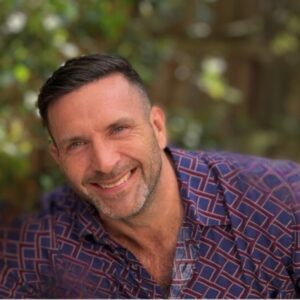
Arianna Cerrito

Wellness Tip:
 

Spring Clean Your Routine

Spring has officially arrived. 🌸 It’s easy to keep running on winter autopilot without realizing it, but our routines should shift along with the seasons.

Take a few minutes this week to spring-clean your daily routines and ask:

  • What still feels good and worth keeping?
  • What feels heavy, slow, or out of sync right now?
  • What could feel lighter, simpler, or more energizing?


Look for small, practical swaps, like a lighter, fresher breakfast, moving your workout earlier (or outdoors), or shifting from cosy evening habits to something more uplifting. 

The environment around us is changing, with more light and warmth, so our routines are easier to shape. Try using this change in season as a reset point for your behavior, and let us know how you go!


Routine Breakdown
 

Arianna Cerrito, Senior Business Leader and Board Advisor & Founder of StartUpAndRise

The Routine of a Senior Leader Who Works With Her Energy

Arianna Cerrito

Arianna Cerrito says her routine has evolved with age, responsibility, and self-awareness. “It’s consistent in intention, but it adapts with daylight, seasons and workload.”

The Routine:

  • Awake early, but slowly (first 30–45 minutes). “I wake up early, but I don’t rush myself into action. I hydrate, move gently around the house, sometimes sit with my thoughts, sometimes read a few pages.”
  • Respecting light and seasonality. “I deliberately don’t exercise in the dark. Even though I generally prefer to work out in the morning, I wait until natural light is up. In winter, that means movement comes later. In summer, my body naturally asks for earlier exercise and adapts quickly.”
  • Writing everything down, then distilling. “Once my mind feels properly switched on, I write lists. Very long ones. Everything that’s on my mind goes down on paper. Only after that do I highlight what actually matters for the day.”
  • Unstructured strategic thinking, by design. “I don’t block a rigid ‘strategy hour’. I have enough discipline to trust that if I create space in my week, my mind will naturally return to the questions that matter.” 
  • Deep work when focus feels settled. “Once those elements are in place, I move into deep work: strategy, writing, mentoring preparation. It’s not clock-driven. It happens when focus feels stable rather than forced.”
  • Closing the working day. “At the end of my working day, I briefly review my list and amend what truly matters for the following day. Once that’s done, I mentally close the workday.”


Why it works:

  • Whether you wake slowly or jump straight into action depends on what works best for you. Arianna says her body wakes up before her mind does. “Giving myself permission to arrive slowly means I don’t drag mental fog into the rest of the day.”
  • Arianna says aligning movement with daylight gives her steadier energy and longer focus. This may be because exposure to morning light suppresses melatonin, making us more alert. 
  • As Arianna explains, “I use lists to empty my head. Highlighting what matters comes after, once the noise is out.” There’s science behind this. Getting everything down on paper reduces mental load and helps “close the loop” on unfinished tasks (aka, the Zeigarnik effect), so your brain isn’t constantly trying to hold onto everything at once.
  • Focus comes in waves. Tuning into your natural focus peaks makes deep work feel easier and more effective, helping you tap into flow instead of forcing concentration when it’s not there.
  • Says Arianna of closing her workday: “Clarifying tomorrow allows me to stop thinking about today. It’s the line that lets me rest without loose ends.”


Arianna adds that this routine is definitely NOT about perfection. “It’s about knowing myself well enough to stop fighting my own rhythm. Earlier in my career, I pushed through that instinctively. Now, with more responsibility and longer horizons, I’ve learned that the quality of my thinking matters far more than the volume of my output.”

Working this way means some days look quieter than others, and that’s intentional. When I respect my energy and close the day properly, I show up the next morning clearer, calmer, and more capable of making the kinds of decisions my work actually requires. Over time, that has proved far more sustainable than any rigid routine I’ve ever tried.


Chris Sorrell

Productivity Tip:
 

Try Time-Boxing Your Tasks

If your to-do list keeps growing but your day keeps disappearing, time-boxing might help.

Instead of leaving tasks on an open-ended list, assign each one a specific block of time in your schedule. For example: 9:00–9:45 write proposal, 10:00–10:30 answer emails, 11:00–12:00 deep work.

Why it works: It forces you to prioritize, reduces multitasking, and creates small deadlines that keep work moving forward!

How to try it: At the start of the day, pick your top tasks and block time for them in your calendar. Using Panda Planner’s daily schedule makes this easy: you can visually “box” your tasks into the day before distractions take over.

The goal isn’t to fill every minute. It’s to give your most important work a clear place in your day. Give it a try and let us know how you go!

Routine Breakdown
 

Chris Sorrell, Founder of Sydney Kayaking Tours

A Sunrise Routine That Starts on the Water

Chris Sorrell

“Running a sunrise kayaking business means my routine naturally starts before most people are awake,” says Australian Chris Sorrell, who has the good fortune of spending his days on the beautiful Sydney Harbour. “Being on the water early has become the anchor for the rest of my day. It clears my head, gives me energy and sets a calm tone before the pace of running a tourism business kicks in.”

The Routine:

  • Wakes before sunrise. “I try to wake before the sun comes up. Starting the day before most people are awake gives me a sense of quiet and focus before emails and the normal noise of the day begin.”
  • Gets out on the harbour in the dark. “A lot of my mornings start paddling out onto Sydney Harbour while it’s still dark. The water is usually completely calm and the city is quiet in a way most people never see.”
  • Watches the sunrise from the water. “Watching the sun rise over the harbour never really gets old. It is a simple moment but it resets your perspective and puts you in a good frame of mind for the rest of the day.”
  • Gym session around midday. “After the morning tours and admin, I try to get a gym session in around midday. It helps balance the early start and keeps my energy levels up through the afternoon.”


Why it works:

  • Chris’ routine is the kind that jumps straight in – literally. He kicks off his mornings doing what he loves, and that’s enough to get his day off to the best possible start. Midday is when a gym session works best for him, so sticking to this schedule means it actually gets done while keeping his energy up through the afternoon.


It’s a reminder that there’s no single “perfect” routine—just the one that fits your life and schedule best.

Hannah Charlotte

Wellness Tip:
 

Use Nervous System Grounding

Have you heard of nervous system grounding? It’s a set of techniques designed to shift the body from a stressed “fight-or-flight” state (sympathetic) to a calm, safe state (parasympathetic). 

Having a few of these techniques up your sleeve can be handy for when you feel anxious or overwhelmed. They can also be used proactively as part of your daily routine to keep your nervous system more balanced—like in Hannah Charlotte’s routine below.

Grounding techniques often involve reconnecting with the present moment through the body and senses. Examples include slow breathing, gentle stretching, or deliberately tuning into what you can see, hear, or feel around you.

Here’s a list you can check out for more ideas to try.

Routine Breakdown
 

Hannah Charlotte, Founder & CEO of Globe Fit, Podcast Host & Mother of Three

How a Founder Balances Business, Motherhood & Wellbeing

Hannah Charlotte

“My routine has evolved over years of building multiple businesses alongside motherhood, navigating periods of burnout, and learning the importance of nervous-system regulation for sustainable success,” says Hannah Charlotte. “It’s consistent but flexible, and always responsive to real life.”

The Routine:

  • Early wake-up + nervous system grounding (5:30–6:00am). “I start my day before the world needs anything from me. This quiet window allows my nervous system to settle, which directly impacts how I lead, parent, and make decisions for the rest of the day,” says Hannah. She avoids her phone during this “magic hour,” opting instead for slow breathing, stretching, and a few minutes of stillness.
  • Embodied movement (Pilates, yoga, or strength training). “As a movement-based business owner, physical practice isn’t optional for me, it’s how I regulate stress, maintain energy, and stay creatively connected.”
  • Intentional nourishment + supplements. “I eat to support my energy and hormones, not to restrict or optimise metrics. A high-protein breakfast, hydration, and supplements like magnesium support steady focus and prevent the energy crashes that used to define my workdays.”
  • Focused work blocks (2–3 hours max). “My routine is designed so I can work deeply, then step away. I work in short, focused windows.”
  • Evening wind-down + reflection. “Evenings include walking, journaling, or time in the sauna. This helps my body fully come out of ‘doing mode’ and supports better sleep and emotional regulation.”


Why it works:

  • Nervous system grounding helps calm anxiety and stress by getting your body out of fight-or-flight mode. See above!
  • Some research suggests working out in the morning offers extra benefits—though movement is definitely good at any time of day!
  • Hydration and protein are morning essentials for a healthy body.
  • Work blocks are a good idea. Research shows that taking regular breaks improves productivity, reduces stress levels, and enhances creativity.
  • Calming evening rituals can help you sleep better.


Hannah says that how she closes the day is just as important as how she starts it. Do you have a favorite evening wind-down activity that primes you for better rest?

Dudley Tal Stokes

Productivity Tip:
 

Beat Bedtime Procrastination

There’s a neat little term psychologists use for something a lot of us do without thinking: bedtime procrastination. You go to bed later than you intended, not because of anything urgent, but because you’re scrolling, watching “one more” episode, or pottering around even though you’re tired. 🫩

Maybe it’s the only time that feels like it’s actually yours. Staying up becomes a quiet protest, even though tomorrow‑you is going to pay for it.

A few things to try:

  • Pick a rough “start winding down” time and treat it as a cue, not a rule.
  • Swap late‑night scrolling for one low‑effort calming habit (cup of tea, book, light stretching). 
  • Make distractions slightly less convenient, like charging your phone across the room. 
  • Use a “to‑bed” alarm to help you stay on track without turning your evenings into yet another thing to optimize.


Make it a tiny experiment: see how you feel after a week of getting to bed just a little earlier. Future-you might be pleasantly surprised.
😌

Routine Breakdown
 

Dudley Tal Stokes, Former Four-Time Olympian, Olympic Coach & Entrepreneur

How an Olympic Coach Trains His Mind Before His Body

Dudley Tal Stokes

For Dudley Tal Stokes, former Olympic bobsledder and inspiration for the movie Cool Runnings, a successful day begins with meditation and movement. 

The Routine:

  • Meditates. “I begin each day with a meditation routine I call Mental Relaxation and Rehearsal. I aim for a minimum of 15 minutes and an ideal of 1 hour. From a state of deep relaxation, I do a series of visualizations designed to help me reach my peak performance state and model potential situations ahead. Once my mental state is set, I find it easier throughout the day to maintain the correct tension required for the particular situation I encounter.”
  • Works out. “I focus on mobility and control of the body, followed by 15-20 minutes of high-intensity exercise, using body weight and kettlebells. I may do a walk, with or without weights, for 30 minutes. After a cold shower, I’m ready for the day.”
  • Starts his day the night before by getting enough sleep. “I have an alarm for bed at 21:45; I usually get ready by 22:00 and am asleep by 23:00. Before the alarm, I make sure the environment is low-light and add some Green Tea.”


Why it works:

  • Research supports visualization as a performance-enhancing tool! Mental rehearsal lowers anxiety, helps you prepare for situations, and builds confidence and focus. 
  • Mobility work improves joint control and reduces stiffness, while a short burst of high-intensity exercise flips the “on” switch in your brain, boosting focus and mood. 
  • Adding a cold shower boosts alertness even more, thanks to a quick surge of energising hormones.


Notice how Dudley uses a “to-bed” alarm to start intentionally winding down? As we said above, it’s a neat trick for keeping your evenings on track!

Ayanna Abrams

Wellness Tip:
 

Wake to a Melodic Alarm

If your morning alarm is a jarring beep beep beep, you’re doing yourself an injustice. An abrupt sound is more likely to leave you with sleep inertia – that groggy, disoriented feeling you get upon waking. 

You probably already sensed this intuitively, but science backs it up. Research published in PLOS ONE found that people who woke up to melodic alarms reported lower levels of sleep inertia than those who woke up to neutral, non-melodic sounds.

So why not try swapping your blaring beep for Edvard Grieg’s Morning Mood or a similarly melodious tune? Try it tomorrow – and let us know what song you choose.

Routine Breakdown
 

Dr. Ayanna Abrams, PsyD, Founder of Ascension Behavioral Health & Co-founder of Not So Strong

The Therapist-Approved Way to Start Winter Mornings


Ayanna Abrams

Winter mornings ask a lot of us. And when you jump straight from bed to go mode, your nervous system can stay in high alert. That’s why Dr. Ayanna Abrams, PsyD, suggests a “soft start” morning routine – a gentler, more intentional start to the day. “You might also notice better decision-making with less reactivity and even less exhaustion by the end of the day,” she says.

The Routine:

  • Wake up more gradually. Swap a harsh alarm for softer sounds and give yourself an extra 10 minutes so the morning doesn’t start in a rush.
  • Keep your phone out of reach. “Use an actual alarm clock that serves only that purpose, and put your phone across the room or in another room overnight,” says Ayanna.
  • Delay screens altogether. Skip TV, emails, and scrolling first thing to reduce mental and emotional overstimulation. “Emails and texts are others informing you or asking something of you; social media is other people’s lives; news is tons of information,” says Ayanna. “You’re ‘starting’ the day in the lives of others.”
  • Start with a grounding ritual. Take a few slow breaths, stretch gently, or sip water in bed to help your body wake up calmly.
  • Add warmth and nourishment. A warm drink and a simple, balanced breakfast can signal safety and ease to your nervous system.
  • Jot down your thoughts. “Jotting down some morning reflections or a very short to-do list—no more than three items—can help you think about your day without a rush.” This creates direction without overwhelm.


Why it works:

  • Waking up gradually lowers the stress response and helps your nervous system shift out of sleep without a cortisol spike.
  • Delaying screens reduces cognitive overload, giving your brain space to orient before processing external inputs.
  • Grounding rituals send safety signals to the body, easing muscle tension and supporting emotional regulation.
  • Writing things down early helps you get your mind clear, reducing background stress and decision fatigue.


Soft starts are just one part of a broader “soft living” philosophy, which prioritises slowing down and self-nourishment over wealth and hustle culture. “This requires more stern boundaries to protect your time, your energy, how much access people have to you emotionally, and how much you are ‘doing’ vs. ‘being’ day to day,” says Ayanna.

Have you heard of soft living? Here’s a guide that breaks it down if you want to learn more.

Matthias Frank

Productivity Tip:
 

Make an End-of-Year Done List

Before you rush to plan the year ahead, try something different: write down what you already accomplished this past year. Big goals, small wins, non-linear progress, lessons learned: it all counts! We often overlook things we’d happily celebrate in someone else.

Research shows that tracking progress boosts motivation more than setting new goals alone. Harvard Business School calls this the Progress Principle: noticing what you’ve achieved (even tiny steps) helps you keep that forward momentum.

So before you start making fresh plans, give yourself credit. Take 10 minutes, make a coffee, and write down your wins of 2025, big and small.

Routine Breakdown
 

Matthias Frank, Notion Consultant, Ambassador and Speaker

A Morning Routine That Prioritizes Process Over Perfection

Matthias Frank

Matthias Frank acknowledges that his morning routine doesn’t always go to plan: “Good habits are not a set-it-and-forget-it kind of thing. It’s a continuous process.” That’s why, when he starts to slip, he reminds himself of his ideal routine and why it matters. 

The Routine:

  • Wakes up. “I’m 100% a morning person. My most productive time is from 30 minutes after I wake up to 3 hours later when I start getting hungry for lunch. If I need to get something done, it has to happen in that time window.”
  • Drinks a big glass of water.
  • Does some super simple morning stretches: “rolling my neck and shoulders, mobilising my hips and knees and helping my lower back face the day.”
  • Brushes his teeth and washes his face.
  • Takes athletic greens.
  • Meditates for 10 minutes.
  • Journals a few paragraphs (or just one).
  • Sits at his desk and works for 25 minutes on his blog.

Why it works:

  • Matthias’ routine is less about the steps themselves and more about the habits and processes behind them. He’s all about doing what fits best with his individual strengths, like jumping into work soon after waking and keeping a schedule that’s sustainable. He also includes a few evidence-based activities like meditation and journaling to start the day on the right foot.


“Just as important as all the things I do DO first thing in the morning is the one thing I try not to: check my phone,” says Matthias. “Whether or not I check my phone has an outsized impact on my morning.” 

If you’re used to checking your phone first thing, Matthias suggests an experiment: “For the next 2-3 days, start your day without looking at your phone. Instead, sit for 10 minutes and meditate.” After three days of no phone, switch things around and check your phone first. “For me, the difference is stunning,” says Matthias. What effect does it have on your day?