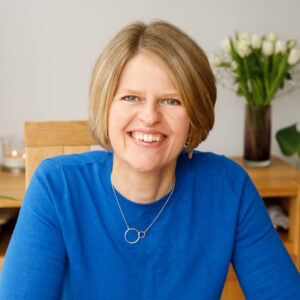
Niels Brabandt
Productivity Tip:
Make Time for Learning
Whether you’re building a career or spending your days pottering around at home, it makes sense to make time for learning. Not only do new skills look pretty on your CV, but learning feels good — and keeps your brain healthy.
You might even say learning keeps you young. Research shows that learning new skills protects our brains as we age by delaying cognitive decline and enhancing executive function.
In this week’s routine breakdown, Niels Brabandt says he dedicates at least an hour a day to learning, every day, no exceptions. But if you don’t have an hour, even 10 minutes a day is enough to start a habit.
Schedule it into your day, pick something you’re curious about and explore it. If it’s a skill that challenges you a little, even better. Give yourself permission to be a beginner.




Routine Breakdown
Niels Brabandt, Entrepreneur, Podcast Host & Founder of NB Networks
Why This Entrepreneur Makes Time to Learn Every Day

Niels Brabandt’s routine grew alongside his career, and he says it’s “very consistent during the working week”. On non-work days, he’s considerably more relaxed.
The Routine:
- Protect sleep first, rise early second. “On workdays I am up between five and six in the morning, but that is not about proving toughness. My most productive hours are early, so I protect them. On non-work days I sleep until eight or nine, because the actual goal is enough sleep, not suffering for its own sake.”
- A deliberately boring breakfast. “Pumpernickel bread with turkey breast, and water. Nothing exciting, and that is the point. I want my mornings to run on habit, not decisions.”
- No coffee, almost no caffeine, and no alcohol, all by choice. “I have never drunk coffee, and during the week I barely touch caffeine at all. I also do not drink alcohol anymore, not because I think it is bad, simply because I am more productive without it.”
- The whole day is structured, not just the morning. “I take a short walk around ten thirty, a proper lunch break around midday, and a short break again in the afternoon. Dinner is between five and seven, and evenings are often social, dinner with friends or a film, before I sometimes work again later, partly because clients across different time zones need that, and partly because I genuinely like it.”
- One hour of learning (or more), every single day. “I do this without exception. It is the reason I now hold three master’s degrees and am working toward more. As soon as you stop learning, you fall behind.”
- Plan far ahead. “I plan up to a year in advance where I can, obviously with room for clients who need something on short notice. When people describe themselves as spontaneous, in my experience it usually means they have not learned to plan, and are looking for a nicer word for it. On non-work days, I still make time for genuine freedom. I am a big fan of electronic music and I go out to techno and house clubs and stay out late, but I hold myself to being productive again the next day regardless.”
Why it works:
- Niels knows when he works best and plans around it, still making sure he gets enough sleep
- The same breakfast and a predictable schedule make consistency easier and reduce decision fatigue.
- Niels builds in downtime and breaks, which are important for reducing stress and maintaining energy and focus.
- Instead of waiting until work is quiet to focus on professional development, he builds learning into his day so it always happens!
Overall, Niels looks to strike a balance between work and play, structure and flexibility. What do you think of his routine