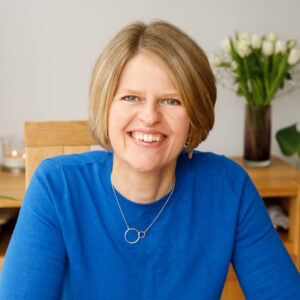
Natacha Bonjout

Wellness Tip:
 

Vary Your Proteins

You’ve heard it a million times by now: protein is important, so make sure you’re getting enough of it. And yet, that’s not the full story. Researchers are increasingly finding that the quality and variety of the protein you eat matter too.

Animal foods like meat, dairy, and eggs generally provide more of the essential amino acids your body needs in the right proportions than many individual plant foods. That’s why not all 10-gram servings of protein are necessarily equal.

For example, a tablespoon of peanut butter contains roughly the same amount of protein as an egg. But because eggs contain a more complete balance of essential amino acids, you’d need to eat around four times as much peanut butter to get the same benefits.

Does that mean you have to eat more animal foods? Not at all. The key is variety and how you balance your foods. Pairing, say, rice with beans or nuts with whole grains gives you a more complex nutritional profile than eating those foods alone. 


Read more about protein pairings here. The bottom line is not to just chase your daily protein target. Mix up your protein sources to give your body a broader range of amino acids and nutrients.

Routine Breakdown
 

Dr. Natacha Bonjout, Founder of Bonjout Beauty

The Evening Routine of a French Beauty Founder

Natacha Bonjout

French pharmacist-turned-beauty founder Natacha Bonjout is a bit of a night owl. Whether at home in New York or traveling, she keeps her evenings sacred. Here’s her routine.

The Routine:

  • 6 pm: She’s still working while their au pair gives the kids dinner.

  • 7 pm: Stops work to spend time with her kids. “This is really our moment together. Usually, we sit on my bed, read two to three books, then they go to bed, and it’s my time to have dinner.”

  • 8 pm: Late but light dinner with her partner. “We eat a lot for lunch, like pasta, and then for dinner we’ll have something like a beautiful, colorful salad or a poke bowl.” She keeps the dimmers low and lights candles.
  • 9 pm: Works more. “I like it when everyone’s asleep, and it’s quiet, and that’s when I like to do my writing.” However, she tries not to work past 10 pm: “It’s hard with kids waking you up early to get enough sleep.”
  • 10 pm: Showers and does her skincare ritual. The final step is a small drop of perfume on her wrist. “It’s really my moment to reconnect to myself when I apply it. This is my comforting moment where I feel, ‘Okay, you can go to bed now.’”
  • 11 pm: 15 minutes of relaxing music, then sleep, with phone kept out of reach.


Why it works:

  • Natacha’s routine is built around small rituals: the nightly reading with her kids and dinner with her partner strengthen family bonds; her beauty routine is a slow and non-negotiable moment of self-care. The final drop of perfume serves as a cue that the day is done and it’s time to rest. Rituals are powerful because they give us a sense of control and certainty in an uncertain world, which helps reduce stress.  


Not everyone has an hour to spend on a beauty routine (though it makes a little more sense if you run a beauty brand). But whatever your version of “me time” looks like, taking a few minutes each day for a small, intentional ritual is always worthwhile. What’s your favorite self-care ritual?

Sile Walsh

Productivity Tip:
 

Avoid The Tyranny of “Should”

A lot of our productivity struggles have nothing to do with discipline. They come from trying to follow rules that were never designed for us in the first place.

Maybe you think you should wake up at 5am, work in uninterrupted four-hour blocks, or stick to the same routine no matter what. But where did those rules come from? A productivity book? A social media post? Someone whose life looks nothing like yours?

The trouble with “should” is that it can disconnect us from what actually works. This week’s routine is a great example of the alternative. Instead of forcing a rigid schedule, it’s built around energy, adaptability, and self-awareness. The goal isn’t perfection. It’s finding a way of working that’s realistic and sustainable.

This week, notice one productivity rule you’ve been following out of obligation rather than evidence. Then ask yourself: Does this actually help me do my best work, or is it just something I think I should be doing?

You may discover that letting go of the wrong rule creates more progress than trying harder to follow it.

Routine Breakdown
 

Sile Walsh, Leadership & Organizational Development Specialist, Author, Speaker, PhD Candidate, Founder of ELIS Advantage

A Sustainable Approach to Productivity

Sile Walsh

“Living with a dynamic disability means I need to adapt day to day,” says Sile Walsh “I aim to manage stressors, both sensory and mental, and create moments of nourishment and calm in between periods of hyper-focus. That shapes how I structure my routine more than any fixed schedule.”

The Routine:

  • Wakes depending on her schedule and energy levels. “My ideal start is 8am, but some mornings it’s 6am. I’ve stopped trying to force a perfect routine and instead work with what the day actually needs.”

  • Begins with a few grounding rituals. The first part of Sile’s morning is consistent: medication, supplements, cacao, hydration, and a gentle transition into the day. “I take my medication and supplements early, and I always have cacao. It’s a consistent way to start the day and helps me settle into it.” 

  • She also avoids rushing straight into work, instead spending time “pottering” with light tidying or a small creative activity. Throughout the day, she prioritizes hydration, aiming to drink two liters of water by 1pm.

  • Works with her natural energy patterns. Rather than forcing herself into a conventional schedule, she structures her day around how she functions best. She doesn’t eat until she’s hungry, adjusts her hours depending on whether she’s working from home or on-site, and uses music to regulate her energy and focus. “I use music throughout the day to either calm or energize me. It’s a simple way to shift how I’m feeling and stay focused.”

  • Makes time for creativity and small rituals. Every day includes something creative, even if it’s only for a few minutes. She also makes space for simple rituals that create a sense of calm and continuity, including a daily cup of Barry’s tea. “It’s a small thing, but it creates a pause and a sense of routine within the day.”

Why it works:

  • Rather than chasing a perfect schedule, this routine is built around adaptability. Research suggests that aligning work with your natural energy levels and reducing unnecessary friction can improve both wellbeing and performance. 
  • As Sile explains: “Hydration, supplements, and energy regulation support consistency across the day. Creativity and ‘pottering’ create space that balances the more structured and cognitive parts of my work. Music and small rituals like tea provide simple ways to reset and stay present throughout the day.”


“This routine continues to evolve, but the focus stays the same: supporting energy, clarity, and performance in a way that is realistic and sustainable,” says Sile. “Sometimes I even do my research analysis or writing from bed or the couch, and other times I am glued to the office. My focus is on doing what works, not what I think I ‘should’ do.”

Karlee Fain

Wellness Tip:
 

Add, Don’t Subtract

Many wellness goals start with restriction: cut out sugar, stop snacking, avoid carbs. Instead, try adding something beneficial. ➕🍏

Add one serving of vegetables. Add a five-minute walk. Add a glass of water. Add ten minutes outside.

Psychologically, adding tends to feel less stressful than taking something away. So it’s easier to maintain over time!

What’s one healthy thing you could add to your day this week?

Routine Breakdown
 

Karlee Fain, Regenerative Leadership Coach & Host of the Messy & Magnificent Podcast

Why This Executive Coach Aims for 3% Better Each Day

Karlee Fain

As an executive coach and leadership strategist, Karlee Fain has worked with everyone from top CEOs to Grammy Award-winning artists like Lil Wayne and Drake. And she is clear on one thing: the secret to success isn’t waking earlier or taking a cold plunge, but prioritizing the things that really matter.

“There’s this idea that we need complex systems and rigorous routines, and really, it’s an overcompensation. It’s unsustainable. What we really need are small things done consistently.”

The Routine:

  • Starts the day with one focus question. Before diving into the day, Karlee asks herself a simple question she learned from positive psychologist Maria Sirois: “What do I love enough to protect?” Her answer becomes the area she wants to prioritize that day, whether that’s her health, work, relationships, or inner peace.
  • Looks for a 3% improvement. Once she’s chosen her focus area, Karlee asks a follow-up question: “What would 3% more care for this look like today?” Says Karlee: “If I chose to focus on my health, my 3% shift might be drinking more water. Then, once that becomes normal, I look for the next 3%. There’s a lot of research on what is a sustainable amount of growth, but 3% is doable and it compounds over time.”

Why it works:

  • Small changes feel achievable, which makes you far more likely to follow through. Research on habit formation shows that consistent, manageable actions are easier to maintain than dramatic lifestyle overhauls. As Karlee says, it’s about small things done consistently!


Forget the performative morning routines: Karlee keeps it simple and intentional, and that’s what works for her.
Here’s a great interview with Karlee that goes deeper into her philosophy of leadership and focusing on what matters.

Dario Markovic

Productivity Tip:
 

Start With Your Priorities, Not Other People’s

Many of us start the workday by opening email, Slack, or social media. The problem? Before we’ve decided what matters most, we’re already reacting to everyone else’s requests and priorities. 📩

In this week’s routine, shared by entrepreneur and CEO Dario Markovic, we find a simple alternative: start with your priorities first. For Dario, that’s reviewing business metrics. You might base it on whatever goals and projects you have at that moment.

One easy way to do this is with the daily section of Panda Planner. Before opening your inbox, spend a few minutes identifying your top priorities and what would make the day feel successful. Having them written down makes it easier to stay focused when distractions inevitably arise.

Try it yourself this week: spend the first 10 minutes of your workday setting or reviewing your priorities before checking email or social media. Let us know how it goes for you!

Routine Breakdown
 

Dario Markovic, CEO & Partner at Eric Javits, Entrepreneur & Father

The Morning Routine Behind a $20M E-Commerce Business

Dario Markovic

“I joined Eric Javits, a 35-year-old New York luxury hat brand, in mid-2020 when COVID had pushed it to the brink of bankruptcy,” says Dario Markovic. “I set up the Shopify store from scratch and grew the e-commerce side from around $120K a year to over $20M in five years.

“The routine below is what holds the day together across product, retail expansion, and operations, and what protects family time before the work starts.”

The Routine:

  • Wake up at 7:00 AM. “I used to push earlier wake-ups thinking it would make me more productive. It didn’t. Seven works because the rest of the day is intense enough; I don’t need to fake intensity at 5 AM to prove anything to anyone.”
  • Family time and breakfast. “This is non-negotiable. The first hour of my day belongs to my family, not to the inbox. As an entrepreneur, it’s easy to convince yourself that every minute matters, but the minutes that matter most are the ones at home, before the world starts pulling at you.”
  • Data check. “Once I’m at my desk, the first thing I open is the dashboards: sales from the previous day, conversion rate, ad spend, returns. I run an e-commerce business, so the numbers are the truth. Reading them first sets the tone for what actually needs my attention, instead of letting other people set it for me through email.”
  • Slack. “After the data, I move to Slack. The team is global, so by the time I’m online there’s already context I need to catch up on. I batch this, read everything, respond to what’s blocking someone, defer the rest. Slack is a useful tool, but it’ll eat your whole day if you let it.”
  • No social media in the morning. “I deliberately stay off Instagram, LinkedIn, all of it before lunch. Social media is designed to hijack your attention and reset your priorities to whatever’s trending. I’d rather start the day with my own data and my own decisions than someone else’s content.”


Why it works:

  • Says Dario: “The structure protects two things that are easy to lose as a CEO: family time and decision quality. Family at the start, data before noise, and no social media until I’ve already done the real work. Most of what people call ‘productivity’ is just protecting yourself from distraction long enough to do the few things that actually matter.”


At its core, this routine is about protecting attention. Family comes before work, data comes before messages, and priorities come before distractions. That simple sequence means the day is driven by intention rather than reaction. What do you think of Dario’s routine?

Dr. Stephanie Steele-Wren

Wellness Tip:
 

Try “Work-Life Separation” Instead of Work-Life Balance

A lot of us chase “work-life balance” like it’s something we should be achieving every single day. But in reality, that can end up feeling exhausting in itself! 😮‍💨

“Some days are going to lean heavily toward work, some won’t,” says Dr. Stephanie Steele-Wren, Licensed Psychologist, who shared her morning routine with us below. “What matters more is not sitting in that constant middle ground where you’re kind of working and kind of not, but still feel like you’re always working.”

Instead of trying to perfectly balance your day, Dr. Steele-Wren focuses more on mental separation. “If I’m working, I try to actually focus and get something meaningful done. If I’m off, I try to actually be off.”

There’s real psychology behind this too: research on “psychological detachment” has found that mentally switching off from work is strongly linked to lower stress and better wellbeing. 

Try it yourself this week: focus on creating clearer boundaries between “on” time and “off” time, even if the split isn’t always equal.

Routine Breakdown
 

Dr. Stephanie Steele-Wren, Licensed Psychologist

A Psychologist’s Better Alternative to Work-Life Balance

Dr. Stephanie Steele-Wren

Psychologist Dr. Stephanie Steele-Wren usually wakes at around 6.30-7.00am, without an alarm. “Who really even needs an alarm clock when you have a toddler?” she says. The first thing she does? Avoids her phone. “If I do check it, the day immediately feels like I’m reacting instead of actually choosing what to do.”

The Routine:

  • Starts slowly. “I open the blinds, get the kettle on, and give myself a few quiet minutes before the day starts demanding things from me.”
  • Moves a little. “Movement for me is less about pushing hard and more about staying functional. Gentle stretching or light movement helps keep everything from getting stiff or out of place and makes the rest of the day easier. This is crucial for my Ehlers-Danlos syndrome.”
  • Coffee and thinking time. “This is usually the calmest (and briefest) part of the day. It’s when I can think clearly before things get busy and demanding of me.”
  • Decides what actually matters. “I try to pick a couple of things that would make the day feel like a win. Otherwise it’s easy to stay busy without really making progress, which just isn’t great for my ADHD either.”

\Why it works:

  • Research shows that gentle stretching and movement helps maintain joint range of motion, improves circulation, and prevents us from getting all stiff and creaky!
  • Even a few quiet, interruption-free minutes can help our brains feel less overloaded and make it easier to focus. Research shows constant interruptions and multitasking can quickly drain mental energy.
  • Picking just a couple of priorities can make the day feel a lot less mentally cluttered. Research also shows people with ADHD often do better with fewer decisions.


Overall, Dr. Steele-Wren’s routine isn’t about squeezing in some “perfect” morning. It’s about creating a calmer, steadier start that works with her brain and body instead of against them.

Stacy Baxley

Productivity Tip:
 

Take Meal Planning Off Your Plate

Sick of staring into the fridge at 6pm wondering what to cook tonight? Try using AI as a meal-planning super assistant. 🍲

AI tools like ChatGPT or Perplexity can learn things like:

  • Your family’s favorite meals
  • Dietary goals and nutrition preferences
  • How much time you realistically have on weeknights
  • What ingredients you already buy
  • Prep tasks you can batch ahead on Sundays


The result? Fewer last-minute decisions, less stress at dinnertime, and more mental energy for everything else! Have you tried using AI for recipe suggestions and meal planning?

Routine Breakdown
 

Stacy Baxley, Personal Growth Coach

The 5-Minute Super Routine of a Personal Growth Coach

Stacy Baxley

“As a full-time high school career development coordinator and personal growth coach, I don’t have the luxury of long, ideal morning routines,” says Stacy Baxley. “My days are full and often unpredictable, which is exactly why I needed something simple and sustainable. After years of trying to follow routines that looked good on paper but didn’t fit my real life, I realized the issue wasn’t discipline: it was misalignment.”

Stacy created a 5-minute daily intentions practice that she now teaches to clients because it’s simple, repeatable, and built for real life—not perfect conditions.

The Routine:

  • Decides who she’s becoming today (identity focus). “Each morning, I choose a word or identity—like calm, focused, or intentional—that represents how I want to show up that day. This becomes my anchor for every decision I make. I know that my actions follow my identity—so it’s important to me to choose who I’m going to be before I decide what I’m going to do.”
  • Identifies her top 3 priorities. “Instead of overwhelming myself with a long list, I identify three ‘most valuable priorities’—the actions that will create the biggest impact. Over time, this has helped me realize that overwhelm wasn’t the problem, clarity was.”
  • Chooses one thought that supports her (affirmation). I write one simple, supportive thought that aligns with how I want to show up. This helps interrupt negative thinking patterns before they take over. It also reinforces the idea that ultimately, my actions are a result of my thoughts.
  • Reconnects throughout the day. “I revisit my notecard briefly—usually between tasks or on a short walk—to realign my actions with my intentions. This isn’t a one-and-done routine; it’s a tool I return to so I can lead my day instead of reacting to it.”


Why it works:

  • “This routine works because it shifts the focus from doing more to becoming more. It removes decision fatigue, creates clarity, and builds consistency through small, intentional actions,” explains Stacy. We agree, and that’s why focus, priorities, and affirmation are all part of the daily section of Panda Planner: they’re all powerful ways to keep your day on track.


Stacy adds that she may not complete everything perfectly, but she always follows through on who she decided to be. “And that’s what builds real momentum over time,” she says. “5 minutes may not seem like much, but these 5 focused minutes allow me to prioritize what’s important to me before prioritizing what is important to others.”